DENTISTRY
Healthy Teeth, Healthy Pet
More than 85% of dogs and cats over the age of one have signs of periodontal disease. At South Side Animal Hospital in south Edmonton, we recognize that dental health is one of the most important ways we can keep pets healthy longer.
Periodontal disease does more than cause bad breath. It has been shown to lead to problems with the heart, liver, and kidneys and can become a source of chronic pain.
What Is a COHAT?
A COHAT stands for Complete Oral Health Assessment and Treatment. This is a thorough dental cleaning and examination performed under general anesthesia.
We recommend a COHAT when your pet has:
- Tartar buildup on the teeth
- Red or swollen gums (gingivitis)
- Bad breath
- Difficulty eating or chewing
- Pawing at the mouth
- Drooling
- Loose or broken teeth
What Happens During a COHAT?
Step 1: Pre-Anesthetic Exam and Bloodwork
Before any dental procedure, we perform a physical exam and recommend bloodwork to ensure your pet is healthy enough for anesthesia.
Step 2: General Anesthesia
Pets cannot hold their mouths open and stay still while we clean their teeth. General anesthesia is required for a safe, thorough cleaning. It also allows us to clean below the gum line, where most dental disease occurs.
All dental patients are monitored closely by our registered veterinary technologists using the same equipment and protocols we use for surgery.
Step 3: Dental Cleaning
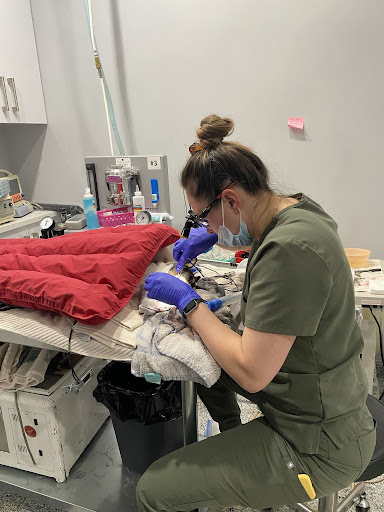
Our registered veterinary technologists use an ultrasonic scaler to remove tartar and plaque from above and below the gum line. Hand scalers are used to clean hard-to-reach areas.
After scaling, the teeth are polished to smooth the enamel surface. This helps prevent future plaque buildup.
Step 4: Dental X-Rays
Dental x-rays are one of the most important parts of a COHAT. We cannot see what is happening below the gum line without x-rays.
X-rays help us identify:
- Cavities (resorptive lesions in cats)
- Pockets of infection around tooth roots
- Bone loss
- Fractured tooth roots
- Abscessed teeth
- Retained baby teeth
More than 70% of dental disease occurs below the gum line. X-rays allow us to see the whole picture.
Step 5: Oral Examination and Treatment Plan
One of our veterinarians performs a complete oral examination while your pet is under anesthesia. Every tooth is examined and charted.
If extractions or other treatments are needed, we will call you to discuss options and costs before proceeding.
Step 6: Extractions (If Needed)
Our veterinarians have all received additional training in veterinary dentistry. When a tooth is diseased or painful, extraction is often the best option.
We use proper techniques including:
- Dental nerve blocks to eliminate pain during and after the procedure
- Surgical extraction methods when needed
- Suturing the gum tissue for faster healing
Pets feel much better once painful teeth are removed. Most pets eat normally within a day or two.
Step 7: Pain Control
Pain control is extremely important for comfort and healing. We provide:
- Dental nerve blocks during the procedure
- Injectable pain medication
- Oral pain medication to go home
We want your pet to be as comfortable as possible during recovery.
What About Home Dental Care?
Professional cleanings are important, but what you do at home matters too.
Tooth Brushing
Daily tooth brushing is the gold standard for home dental care. It removes plaque before it hardens into tartar.
Tips for success:
- Use a pet-specific toothpaste (human toothpaste is toxic to pets)
- Start slowly and make it a positive experience
- Focus on the outer surfaces of the teeth
- Even a few seconds of brushing is better than nothing
Our team can show you how to brush your pet’s teeth during your appointment.
Dental Diets and Treats
Prescription dental diets and treats are designed to reduce plaque and tartar buildup. They work through mechanical action as your pet chews.
We carry dental products that have been proven effective through testing. Ask us which products we recommend for your pet.
Water Additives and Gels
Some dental water additives and gels can help reduce bacteria in the mouth. While they are not as effective as brushing, they can be a helpful addition to your pet’s dental care routine.
Why Anesthesia-Free Dentistry Is Not Safe
Some groomers and mobile services offer “anesthesia-free” dental cleanings. While this may sound appealing, it is not safe or effective.
Here is why:
It does not clean below the gum line. Most dental disease occurs below the gum line where you cannot see it. Cleaning only the visible surfaces does nothing to treat the real problem.
It is stressful and painful. Pets must be physically restrained while sharp instruments are used in their mouths. This is frightening and uncomfortable.
It can cause injury. Without anesthesia, pets may move suddenly, causing injury to the gums or soft tissues.
It gives a false sense of security. Teeth may look clean on the surface, but painful disease continues to progress underneath.
The American Veterinary Dental College and the American Animal Hospital Association do not support anesthesia-free dentistry.
Dental Care for Rabbits and Small Mammals
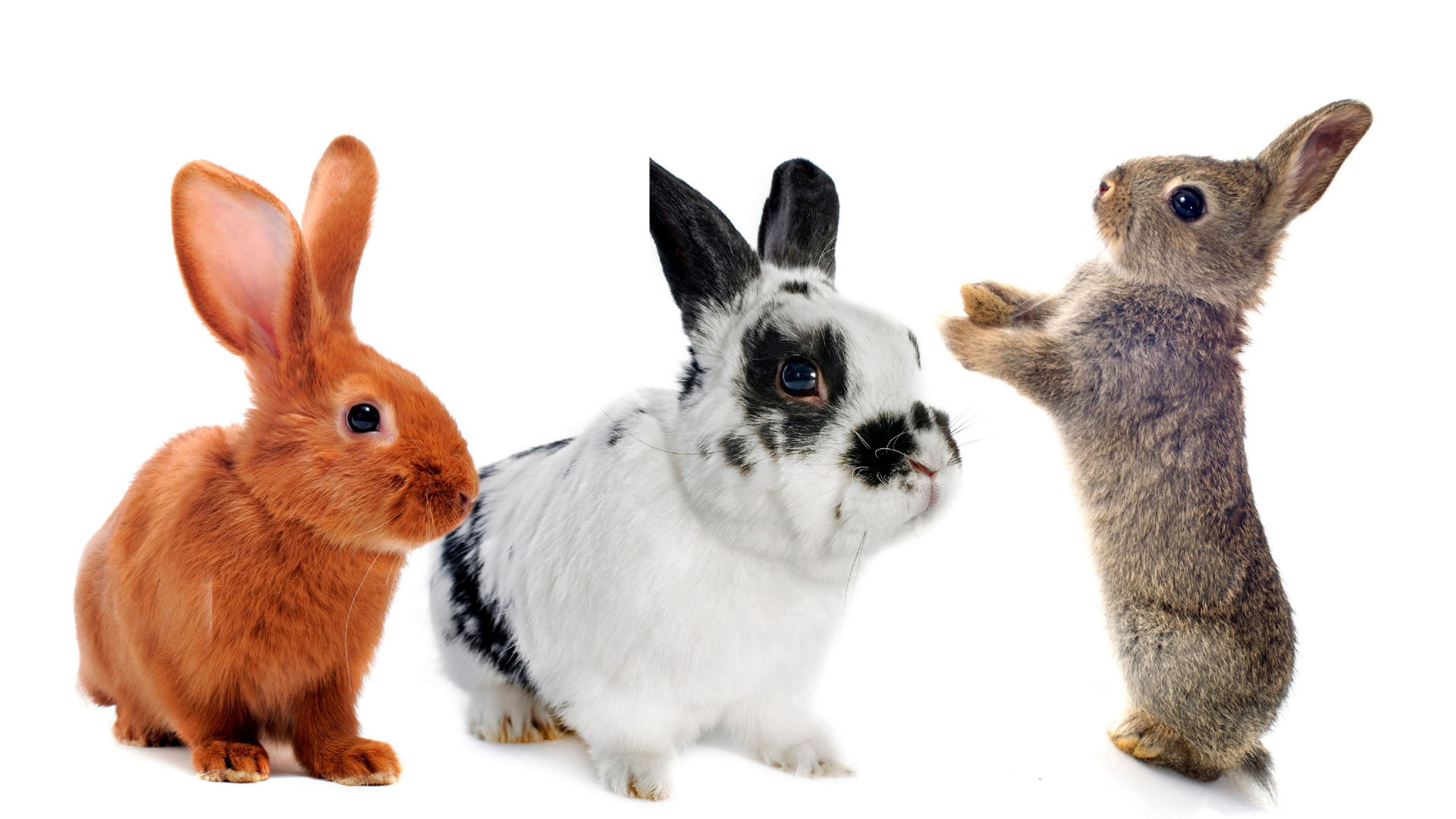
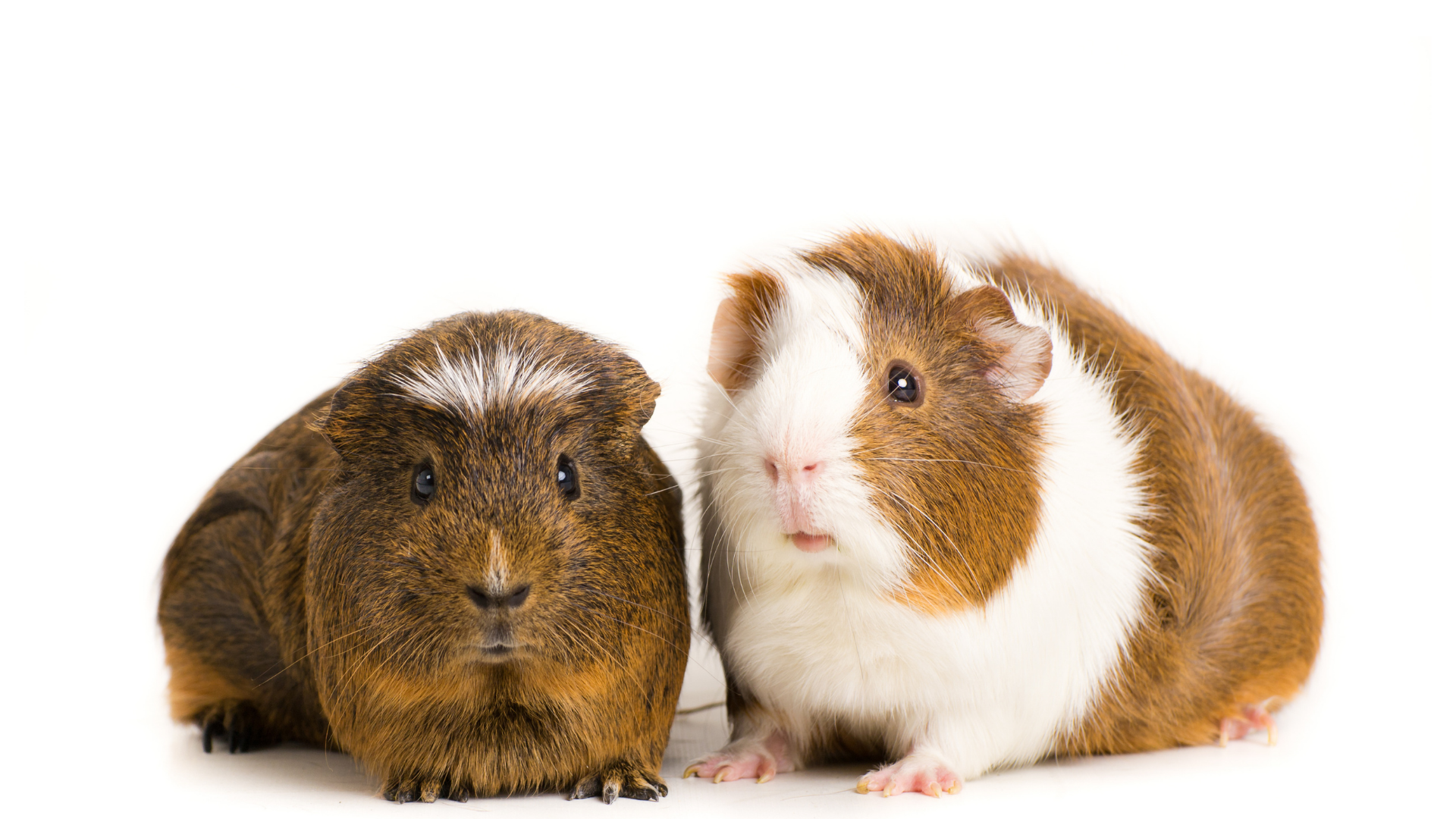
Rabbits, guinea pigs, chinchillas, and other small mammals have continuously growing teeth. If their teeth do not wear down properly, they can develop painful overgrowth, sharp points, or abscesses.
Signs your small pet may have dental problems:
- Decreased appetite or not eating
- Drooling or wet chin
- Weight loss
- Difficulty chewing
- Eye discharge
- Lumps on the jaw
We perform dental trims and extractions for rabbits and small mammals under anesthesia. This allows us to safely address problems without causing pain or stress.
Regular dental exams are an important part of wellness care for exotic pets.
Complimentary Recheck Exam
We offer a complimentary recheck examination after your pet’s dental procedure to ensure the mouth is healing properly. If you have any concerns during recovery, please call us.