SURGERY
Safe, Compassionate Surgical Care
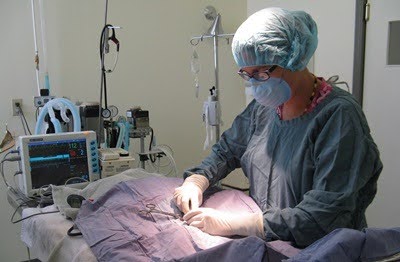
South Side Animal Hospital in south Edmonton is equipped to perform soft tissue surgeries and select orthopedic procedures. Our veterinarians have years of surgical experience and are committed to keeping your pet safe and comfortable throughout the entire process.
What Surgical Procedures Do We Perform?
Spay and Neuter Surgery
Spaying (ovariohypsterectomy) and neutering (castration) are some of the most common surgeries we perform. These procedures prevent unwanted litters, reduce certain health risks, and can improve behavior.
Benefits of spaying female pets:
- Eliminates heat cycles
- Prevents uterine infections (pyometra)
- Reduces the risk of mammary cancer
- Prevents unwanted pregnancies
Benefits of neutering male pets:
- Reduces roaming and aggression
- Decreases marking behavior
- Prevents testicular cancer
- Reduces the risk of prostate problems
We perform spays and neuters on dogs, cats, rabbits, guinea pigs, and degus.
Soft Tissue Surgery
We perform a wide range of soft tissue surgeries including:
- Lump and mass removals (skin tumors, lipomas, cysts)
- Wound repairs from injuries or trauma
- Bladder stone removal (cystotomy)
- Foreign object removal from the stomach or intestines when pets eat things they should not
- Cancer surgery to remove tumors when possible
- Abscess drainage and treatment
- Cherry eye repair in dogs
- Entropion repair (eyelid rolling inward)
Orthopedic Surgery
We provide select orthopedic surgeries including:
- Cruciate ligament repairs for torn knee ligaments
- Knee cap luxation surgery (patella luxation correction)
- Fracture repairs for broken bones
- Amputations when necessary due to severe injury or cancer
For more complex orthopedic cases, we work closely with board-certified veterinary surgeons in the Edmonton area and can provide referrals when specialized expertise is needed.
How Do We Keep Your Pet Safe During Surgery?
Your pet’s safety is our top priority. As an AAHA-accredited hospital, we follow strict protocols to minimize risk and ensure the best possible outcomes.
Pre-Surgical Bloodwork
Before any surgery requiring anesthesia, we recommend bloodwork to evaluate your pet’s organ function. This helps us identify any hidden health problems that could affect anesthesia safety.
Blood tests check:
- Kidney function
- Liver function
- Blood sugar levels
- Red and white blood cell counts
- Blood clotting ability
If any abnormalities are found, we will discuss them with you and adjust our anesthetic plan accordingly.
Anesthesia Monitoring
Every pet undergoing anesthesia is closely monitored by our registered veterinary technologists from the moment they are sedated until they are fully awake.
We monitor:
- Heart rate and rhythm with an electrocardiogram (ECG)
- Oxygen levels with a pulse oximeter
- Blood pressure
- Respiratory rate and carbon dioxide levels
- Body temperature
Our anesthetic equipment includes modern vaporizers, oxygen delivery systems, and monitoring devices that meet AAHA standards.
Intravenous Fluid Therapy
All surgical patients receive intravenous fluids during anesthesia. This supports blood pressure, maintains organ function, and allows us to administer emergency medications quickly if needed.
Pain Management
We believe that pain control is not optional. Every surgical patient receives pain medication before, during, and after their procedure.
Pain management may include:
- Pre-operative pain medication
- Local anesthetic blocks (such as dental nerve blocks)
- Injectable pain medications during surgery
- Pain medication to go home
Controlling pain helps your pet heal faster and feel more comfortable during recovery.
What Happens on Surgery Day?
Drop-off: You will bring your pet to the clinic in the morning. Our team will review the procedure with you and answer any last-minute questions.
Pre-surgical exam: One of our veterinarians will examine your pet to ensure they are healthy enough for anesthesia.
Surgery: Your pet will be given pre-anesthetic sedation to help them relax. An intravenous catheter will be placed, and anesthesia will be administered. Our registered veterinary technologists will monitor your pet throughout the entire procedure.
Recovery: After surgery, your pet will wake up in a quiet, warm recovery area under close supervision. We will monitor them until they are alert and stable.
Pick-up: Most pets go home the same day, typically in the late afternoon. We will provide detailed instructions for home care, pain medication, and information about follow-up appointments.
Follow-Up Care
We believe in proper follow-up after every surgery. We want to make sure your pet is healing well and feeling comfortable.
Follow-up appointments are scheduled 10 to 14 days after surgery to:
- Check the incision for proper healing
- Remove sutures or staples if needed
- Address any concerns you have
- Assess your pet’s pain level and adjust medication if necessary
These recheck appointments are complimentary for most surgeries.
When Do We Refer to Specialists?
Some surgical cases require expertise beyond general practice. We work closely with board-certified veterinary surgeons and will recommend a referral when it is in your pet’s best interest.
We refer complex cases such as:
- Advanced orthopedic surgeries
- Complicated fractures
- Neurological surgeries (spinal injuries, disc disease)
- Specialized cancer surgeries
- Chest surgeries
Your pet’s health and safety always come first.
Exotic Pet Surgery
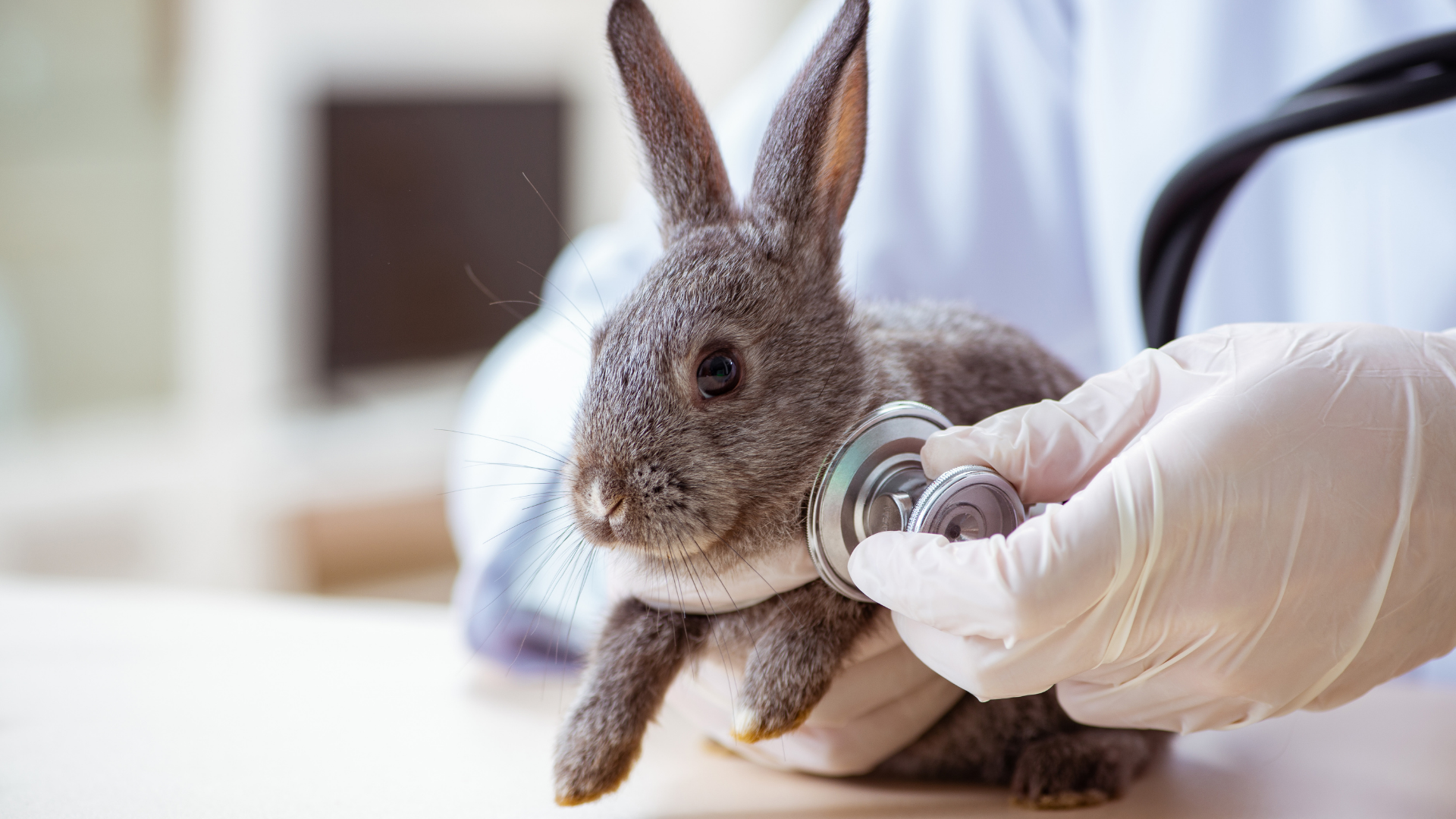
Our veterinarians perform surgery on rabbits, guinea pigs, chinchillas, and small rodents. We understand that exotic pets require specialized anesthetic protocols and careful handling.
Surgeries we perform on exotic pets include:
- Spays and neuters
- Bladder stone removal
- Foreign object removal
- Abscess treatment
- Tumor removal
- Molar and incisor trims
- Dental extractions
Transparent Pricing
We understand that surgery is an investment in your pet’s health. We will provide you with a detailed estimate before any procedure so you know what to expect. Our team will discuss all costs with you upfront.