
SENIOR PET CARE AND QUALITY OF LIFE ASSESSMENTS
Helping Your Companion Age Gracefully
Senior pets hold a special place in our hearts. At South Side Animal Hospital in south Edmonton, we are committed to helping older dogs, cats, rabbits, and small mammals enjoy their golden years with comfort and dignity.
When Is My Pet Considered a Senior?
• Dogs: Generally around age 7, though larger breeds age faster than small breeds
• Cats: Around age 10 to 11
• Rabbits and small mammals: As early as age 5, depending on the species
Just like people, pets develop age-related health problems as they grow older. Early detection and management can add quality years to your pet’s life.

Common Health Issues in Senior Pets
Older pets are more likely to develop:
• Arthritis and joint pain
• Kidney disease
• Heart disease
• Diabetes
• Liver problems
• Thyroid disorders (especially in cats)
• Cancer
• Dental disease
• Cognitive decline (similar to dementia in people)
• Vision and hearing loss
Many of these conditions can be managed with medication, diet changes, or lifestyle adjustments. The key is catching them early.
Senior Wellness Exams
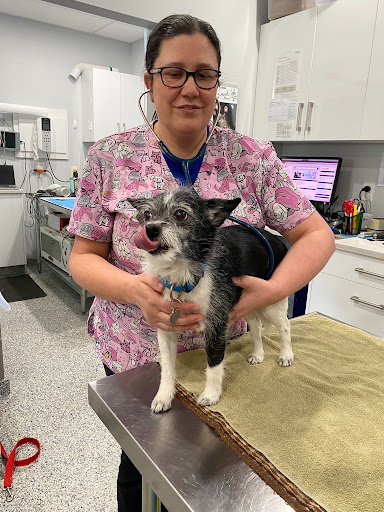
We recommend wellness exams every six months for senior pets. Older pets age faster than young adults, and changes can happen quickly.
During senior exams, our veterinarians will:
• Perform a thorough physical examination
• Discuss changes you have noticed at home (appetite, energy, behavior, mobility)
• Recommend blood and urine testing to screen for organ function and disease
• Check blood pressure (especially important in senior cats)
• Assess pain levels and mobility
• Review your pet’s diet and weight
• Update vaccinations as appropriate
Senior Screening Tests
Annual or biannual lab work helps us monitor your senior pet’s organ function and catch problems before they become serious.
Blood tests check kidney and liver function, blood sugar, thyroid hormone levels, red and white blood cell counts, and electrolyte balance.
Urinalysis detects urinary tract infections, kidney disease, diabetes, and bladder stones.
These tests create a baseline for your pet’s normal values. When we track changes over time, we can intervene early.
Pain Management and Mobility Support
Arthritis affects many senior pets. Signs your pet may be in pain include:
• Difficulty getting up or lying down
• Reluctance to jump or climb stairs
• Limping or stiffness, especially after rest
• Less interest in play or walks
• Behavioral changes like irritability or hiding

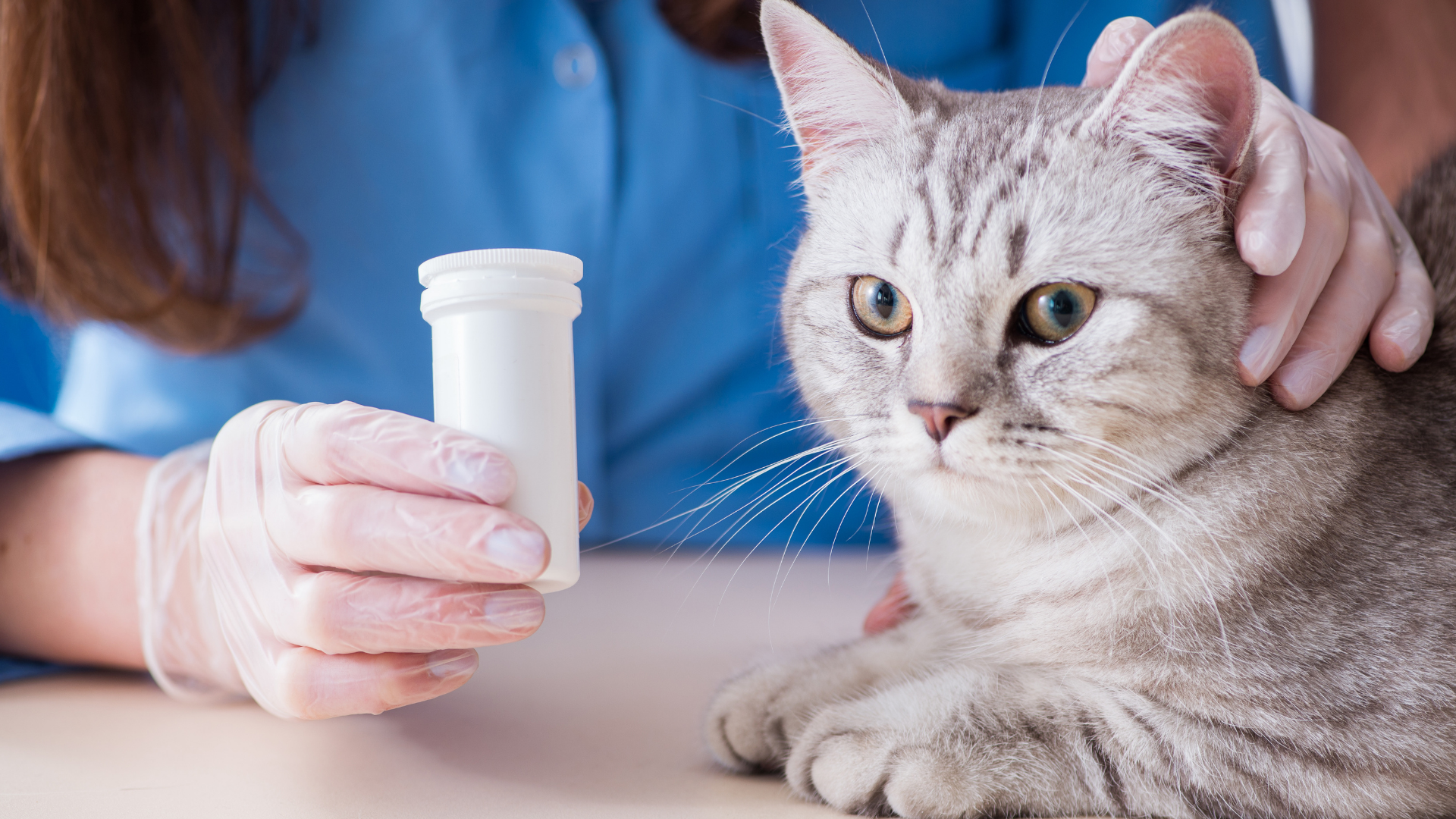
We offer multiple options for managing arthritis pain:
• Anti-inflammatory medications
• Pain relief medications
• Joint supplements like glucosamine and chondroitin
• Prescription joint diets
• Weight management to reduce stress on joints
• Referrals for alternative therapies like acupuncture, laser therapy, or chiropractic care
Our goal is to keep your senior pet moving comfortably for as long as possible.
Quality of Life Assessments
We understand that deciding when your pet’s quality of life has declined is one of the hardest decisions you will ever make.
We are here to help you navigate this difficult time with compassion and honesty. We will discuss:
• Your pet’s ability to eat, drink, and eliminate normally
• Pain levels and response to pain management
• Mobility and interest in activities they once enjoyed
• Good days versus bad days
• Your family’s ability to provide the care your pet needs
There is no right or wrong answer. We will support whatever decision is best for you and your pet.
Compassionate End-of-Life Care
When the time comes to say goodbye, we provide peaceful, dignified euthanasia services. Our team is sensitive to the emotional needs of families during this heartbreaking time.
You are welcome to be with your pet.
We will take as much time as you need.
We will be here for you and your senior companion every step of the way.