EXOTIC COMPANION MAMMAL MEDICINE
AND SURGERY
We Love Exotics
Rabbits, guinea pigs, chinchillas, and other small mammals make wonderful companions. At South Side Animal Hospital in south Edmonton, our veterinarians love exotic pets and are committed to providing them with the specialized care they deserve.
Exotic companion mammal medicine is constantly evolving as we learn more about these unique animals. Our veterinarians and registered veterinary technologists regularly attend continuing education to stay current on the latest treatments, surgical techniques, and husbandry recommendations.
Why Exotic Pets Need Specialized Care
Small mammals are not just tiny dogs and cats. They have different anatomy, different nutritional needs, and different health concerns. They require veterinarians who understand their specific biology and behaviour.
Exotic pets are prey animals. In the wild, showing weakness makes them a target for predators. This means they naturally hide signs of illness. By the time you notice something is wrong, the problem may be advanced.
Regular wellness exams help us catch health issues early when they are easier to treat.
What Species Do We See?
We provide medical and surgical care for:
- Rabbits
- Guinea pigs
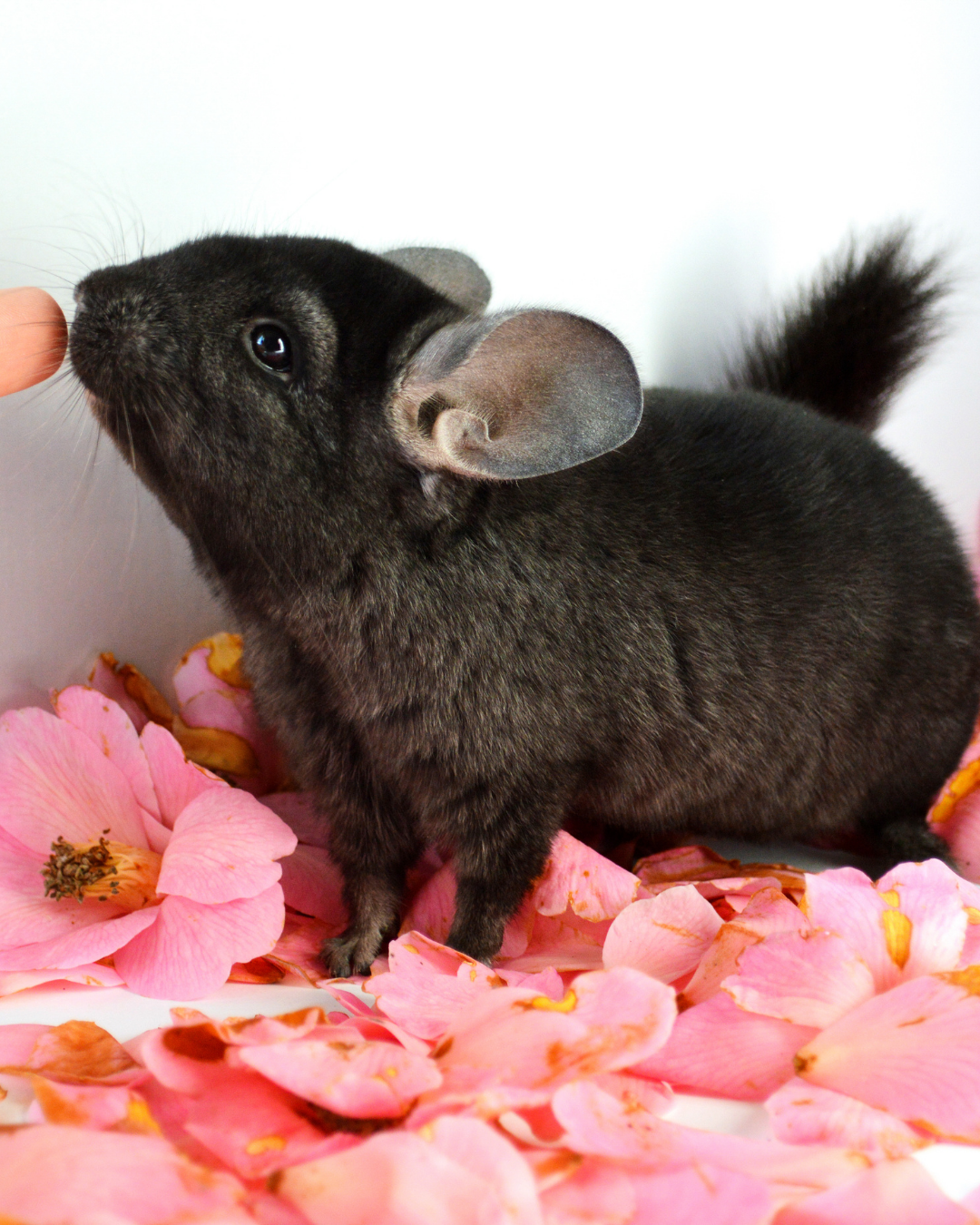
- Chinchillas
- Rats
- Mice
- Hamsters
- Gerbils
- Degus
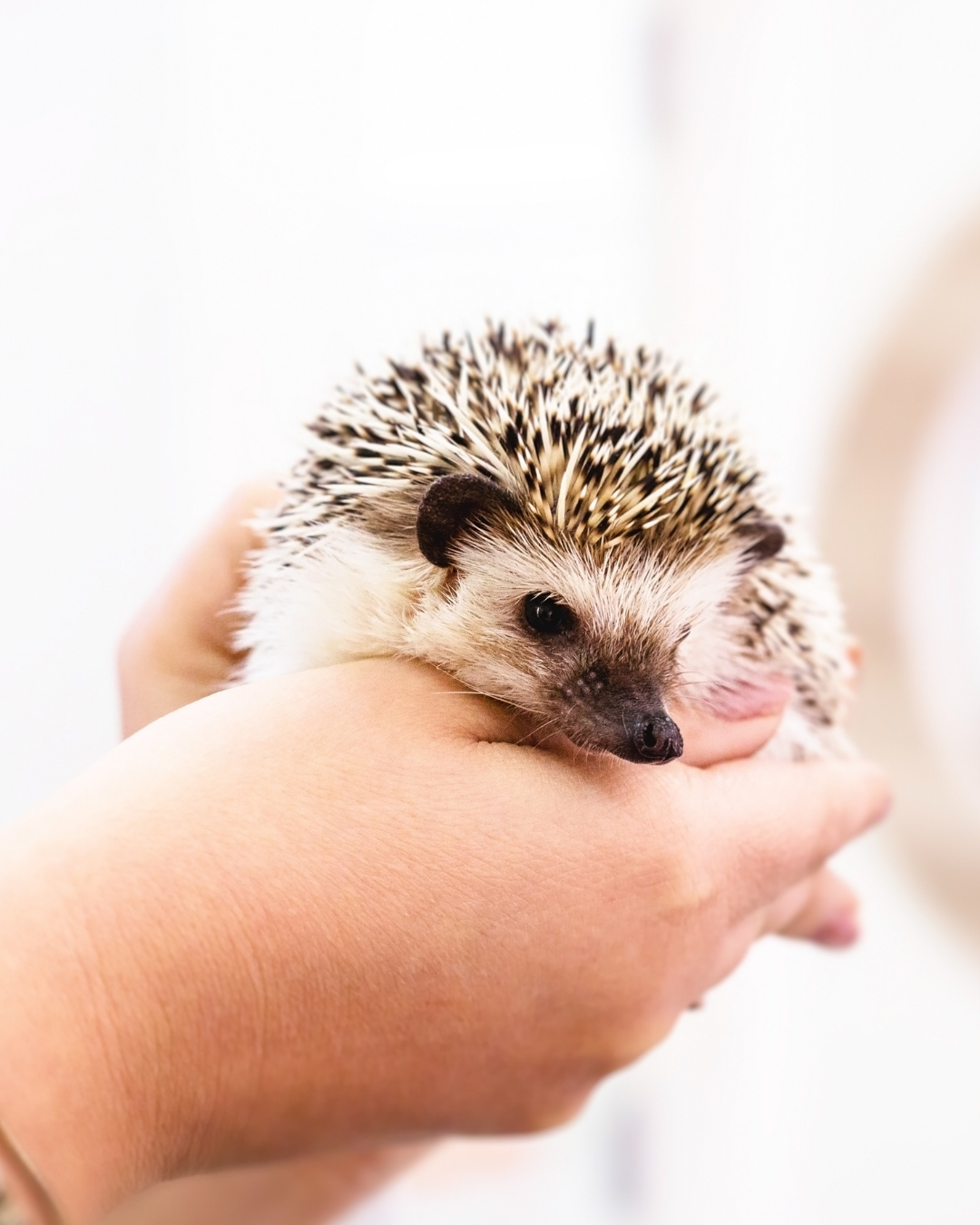
- Hedgehogs (limited availability)
If you have a small mammal not listed here, please call us. We are happy to discuss whether we can provide care for your pet.
Wellness Exams for Small Mammals
We recommend wellness exams at least once per year for exotic pets. Senior pets or those with ongoing health concerns may benefit from exams every six months.
During a wellness exam, we will:
- Weigh your pet and assess body condition
- Examine the teeth (many small mammals have continuously growing teeth)
- Check the eyes, ears, and nose
- Listen to the heart and lungs
- Palpate the abdomen for abnormalities
- Examine the skin and fur
- Check the feet for sores (bumblefoot)
- Assess overall activity level and behavior
- Discuss diet, housing, and enrichment
We will answer your questions about proper care, nutrition, and how to keep your small friend healthy and happy.
Common Health Problems in Exotic Pets
Dental Disease
Rabbits, guinea pigs, chinchillas, and other rodents have teeth that grow continuously throughout their lives. If teeth do not wear down properly, they can develop painful overgrowth, sharp points (spurs), or abscesses.
Signs of dental problems:
- Decreased appetite or refusal to eat
- Drooling or wet chin
- Weight loss
- Difficulty chewing
- Eye discharge
- Swelling on the jaw
We perform dental trims and extractions under anesthesia to safely address dental problems.
Gastrointestinal Stasis
Gastrointestinal stasis (also called GI stasis or ileus) is a life-threatening condition where the digestive system slows down or stops. It is common in rabbits and guinea pigs.
Signs of GI stasis:
- Decreased or no appetite
- Small or absent fecal pellets
- Hunched posture
- Lethargy
- Bloated abdomen
GI stasis is an emergency. If your rabbit or guinea pig stops eating, call us immediately.
Respiratory Infections
Upper respiratory infections are common in rats, guinea pigs, and rabbits. Signs include sneezing, nasal discharge, labored breathing, and lethargy.
Respiratory infections can progress quickly in small mammals and require prompt treatment.
We check your exotic pet’s:
• Teeth (many small mammals have continuously growing teeth that can develop painful problems)
• Weight and body condition
• Skin and fur quality
• Eyes and ears
• Heart and lung sounds
• Abdomen
• Overall activity level and behavior
We also discuss proper diet, housing, enrichment, and preventive care specific to your small friend’s species.
Urinary Tract Problems
Bladder stones and urinary tract infections occur in rabbits, guinea pigs, and other small mammals. Signs include straining to urinate, blood in the urine, or frequent small urinations.
We can diagnose urinary problems with x-rays, ultrasound, and urinalysis. Bladder stones often require surgical removal.
Skin Problems
Mites, fungal infections (ringworm), and abscesses are common in small mammals. We can diagnose skin problems through physical examination, skin scrapes, and cytology.
Obesity
Many pet rabbits, guinea pigs, and other small mammals are overweight due to inappropriate diet and lack of exercise. Obesity leads to health problems including liver disease, heart disease, and arthritis.
We can help you create a healthy diet and exercise plan for your pet.
Surgery for Exotic Pets
We perform a variety of surgical procedures on exotic companion mammals:
Spays and Neuters
Spaying female rabbits and guinea pigs prevents uterine cancer, which is extremely common in intact females. Neutering male rabbits and guinea pigs reduces aggression, urine spraying, and territorial behavior.
We also perform neuters on degus and other small rodents.
Soft Tissue Surgery
- Bladder stone removal
- Foreign object removal (when pets eat bedding or other items)
- Abscess treatment
- Tumor removal
- Wound repair
Dental Procedures
- Molar and incisor trims
- Dental extractions
- Abscess drainage
All exotic pet surgeries are performed under general anesthesia with close monitoring by our registered veterinary technologists. We use specialized anesthetic protocols designed specifically for small mammals.
Diagnostic Testing for Exotic Pets
We offer comprehensive diagnostic testing for small mammals including:
- Blood tests to evaluate organ function, blood sugar, and infection
- Urinalysis to detect urinary tract infections or bladder stones
- X-rays to examine bones, teeth, and internal organs
- Ultrasound to visualize soft tissue structures
- Fecal analysis to check for parasites
Nutrition and Husbandry Advice
Many health problems in exotic pets are caused by improper diet or housing. We are happy to discuss:
- What to feed your rabbit, guinea pig, or small rodent
- How much to feed
- Appropriate cage size and bedding
- Environmental enrichment
- Safe toys and activities
- Litter box training for rabbits
- Bonding rabbits or guinea pigs
Proper husbandry is the foundation of good health.
We Want to See More Exotic Pets
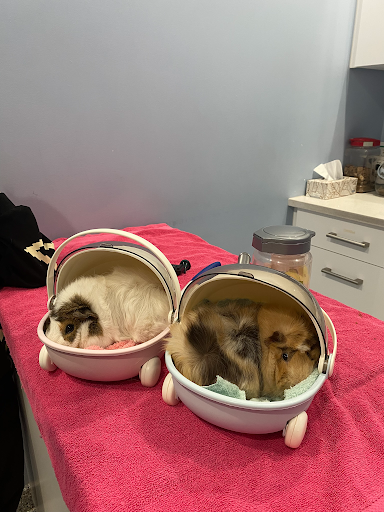
Exotic companion mammals deserve the same quality veterinary care as dogs and cats. We would love to help you care for your rabbit, guinea pig, chinchilla, or other small friend.
If you have or are planning to get a small mammal, please call us. We can answer your questions and help you get started on the right foot.